

High-Resolution Anoscopy (HRA) and Anal Cancer Screening
Specialised assessment, screening and treatment for anal pre-cancer (HSIL) and early anal cancer in Melbourne.
High-Resolution Anoscopy (HRA) is a specialised procedure used to detect anal pre-cancer (HSIL) and identify early anal cancers. Much like cervical screening, HRA allows abnormal cell changes to be detected and, where appropriate, treated before they have the opportunity to progress.
Dr Matt Marino is one of the few colorectal surgeons in Australia with dedicated international training in HRA and anal cancer prevention. He provides personalised assessment, screening and ongoing care for people at increased risk of anal cancer, taking the time to explain your individual risk, answer your questions and guide you through every step of the process.
If you would like more information, please call 0493 318 188.
Comprehensive HRA assessment, treatment and surveillance
High-Resolution Anoscopy is usually much more than a one-off procedure. For most patients, it involves ongoing assessment, monitoring and, where appropriate, treatment of anal pre-cancer (HSIL) to reduce the risk of anal cancer.
Dr Matt Marino provides comprehensive HRA services, including:
Initial assessment of patients at increased risk of anal cancer, including anal swabs
Diagnostic High-Resolution Anoscopy (HRA)
Biopsy of suspicious lesions
Targeted, precise treatment of HSIL (anal pre-cancer) using ablative techniques, mostly CO2 laser
Ongoing surveillance and follow-up
Individualised management plans
-
People living with HIV have a higher risk of developing anal pre-cancer (HSIL) and anal cancer. HRA allows abnormal cell changes to be detected early and managed where appropriate.
-
Persistent HPV infection is more common among men who have sex with men, increasing the risk of anal pre-cancer and cancer. HRA plays an important role in screening and ongoing surveillance for eligible patients.
-
Women with a history of vulvar or vaginal pre-cancer or cancer, and to a lesser extent cervical pre-cancer or cancer, may have an increased risk of developing anal cancer. This is because the same HPV infection can affect multiple areas of the body.
-
Trans women, particularly those living with HIV, may benefit from anal cancer screening and HRA depending on their individual risk factors and medical history.
-
Reduced immune function as a result of immunosuppressive medications increases the risk of persistent HPV infection and subsequently anal pre-cancer and cancer.
-
If you've been told you have abnormal anal cytology (anal Pap test), HSIL, AIN or other abnormal findings, HRA may be indicated to better assess the area. A common example is the finding of AIN or HSIL on haemorrhoids that have been removed.
Who may benefit from a HRA?
Thankfully, anal cancer is rare, and so HRA is only recommended for people at increased risk. This may be due to certain medical conditions, a history of HPV-related disease in other parts of the body, previous abnormal screening results or other individual risk factors.
Not everyone in these groups will require HRA. During your consultation, Dr Matt Marino will assess your medical history, individual risk factors and any previous test results to determine whether HRA is appropriate for you.
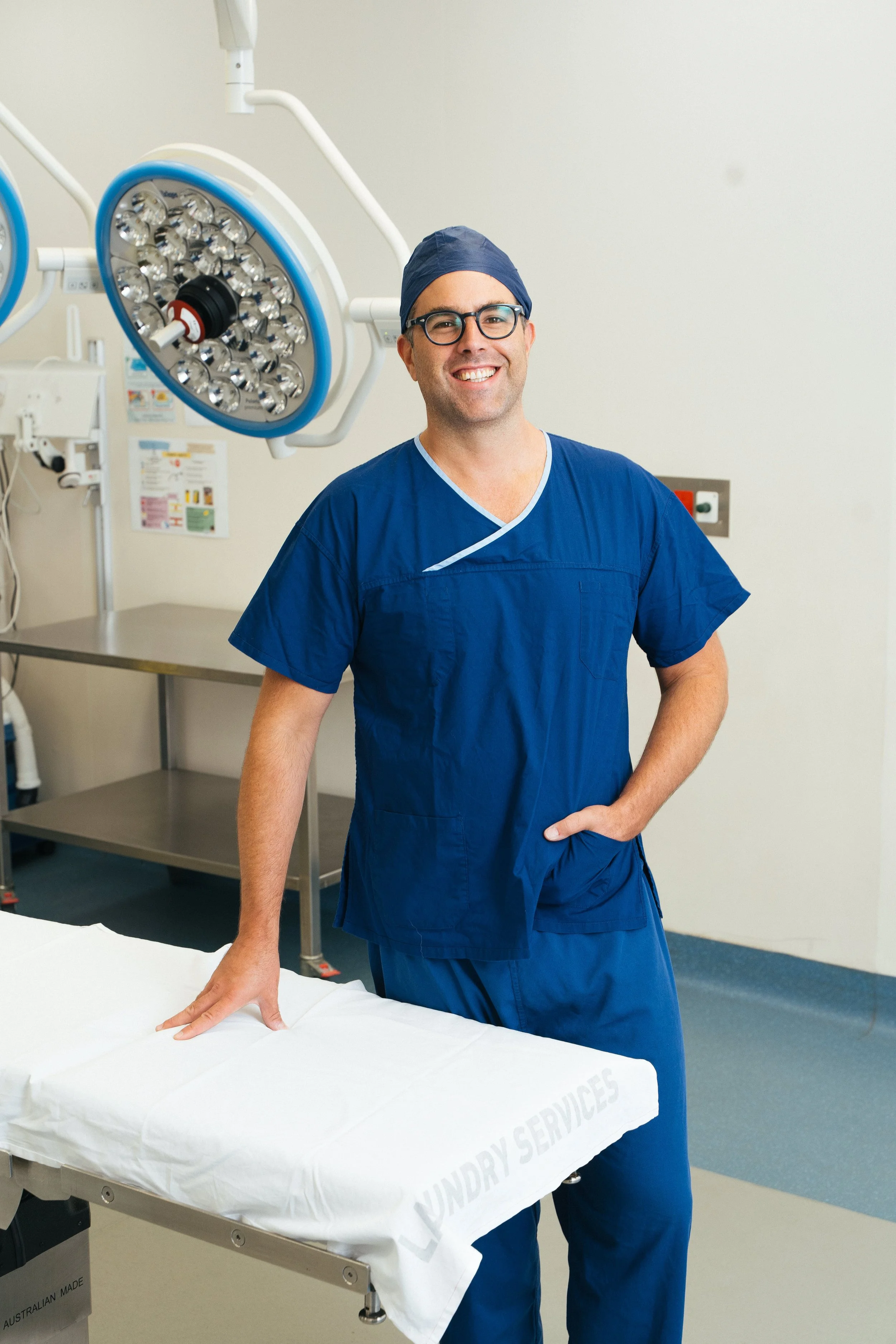
Why choose Dr Matt Marino
High-Resolution Anoscopy requires specialised training and expertise and is not widely available in Melbourne. Dr Matt Marino has a dedicated clinical focus on anal cancer prevention and provides comprehensive HRA services, from initial assessment through to treatment and ongoing surveillance.
Patients choose Dr Matt Marino because of his:
Dedicated HRA training in Australia and internationally
Ongoing academic interest in HRA and HSIL management
Clinical focus on anal cancer prevention and HSIL management
Particular interest in LGBTQIA+ healthcare
Respectful, inclusive and judgement-free approach to care
Comprehensive assessment, treatment and long-term surveillance
Advanced equipment for accurate diagnosis
Dr Matt Marino's consulting rooms are equipped with new, dedicated equipment designed specifically for High-Resolution Anoscopy (HRA). This allows detailed examination of the anal canal and perianus, accurate identification of abnormal tissue and, where appropriate, biopsy or treatment in a dedicated outpatient setting.
If you'd like to learn more about anal cancer prevention, HPV and High-Resolution Anoscopy, the following resources may be helpful.
Further reading








Resources for Healthcare Professionals
Supporting detection of anal pre-cancer (HSIL) and early anal cancer starts with appropriate referral. We've created a practical resource for GPs and other healthcare professionals to assist with identifying patients who may benefit from High-Resolution Anoscopy (HRA) and the referral process.
Frequently Asked Questions
-
A referral from your GP or specialist is recommended and may be required to claim a Medicare rebate for your consultation. If you're unsure whether HRA is appropriate for you, please contact our rooms and we'll be happy to discuss your options.
-
Several factors can increase the risk of anal cancer, including persistent HPV infection, HIV, a history of vulvar or vaginal pre-cancer or cancer (and to a lesser extent cervical), immunosuppression and previous abnormal anal screening results or histology. During your consultation, Dr Matt Marino will assess your individual risk and whether HRA is recommended.
-
Most patients will require ongoing surveillance to monitor for new or recurrent abnormalities. It is best to have this done by the same clinician or clinic, so all your previous procedure notes and histology results are available. Your follow-up plan will depend on your risk factors, examination findings and previous biopsy results.
-
With an appropriate referral, Medicare rebates should be available for your consultation. If an HRA is required in the rooms, Medicare rebates often apply. Private health may be utilised if a procedure is required to take place in the operating theatre. Our team will explain all fees and answer your questions before your appointment.
-
The aim of HRA is to identify anal pre-cancer (HSIL) and early anal cancer at the earliest possible stage. Detecting these changes early allows for appropriate treatment or surveillance, helping reduce the risk of progression to anal cancer while supporting long-term monitoring for patients at increased risk. HRA utilises a high-powered clinical microscope (called a colposcope), aiding the precise detection and treatment of disease that may otherwise be missed by the naked eye.
-
No. In many cases, HRA identifies high-grade squamous intraepithelial lesions (HSIL), which are pre-cancerous changes, rather than cancer itself. Identifying these changes early provides the opportunity for treatment to prevent progression. If an abnormal area is identified, it will be biopsied at the time of HRA. Dr Matt Marino will then discuss the findings and results with you and recommend the most appropriate next steps.
Get in touch
If you think you may benefit from an in-rooms procedure, please speak with your GP to obtain a referral. Alternatively, contact the rooms directly to arrange an appointment using the enquiry form or call directly on 0493 318 188.
Location
Suite 9.3, Level 9
East Wing Tower
Epworth Eastern
25 Nelson Road, Box Hill, 3128